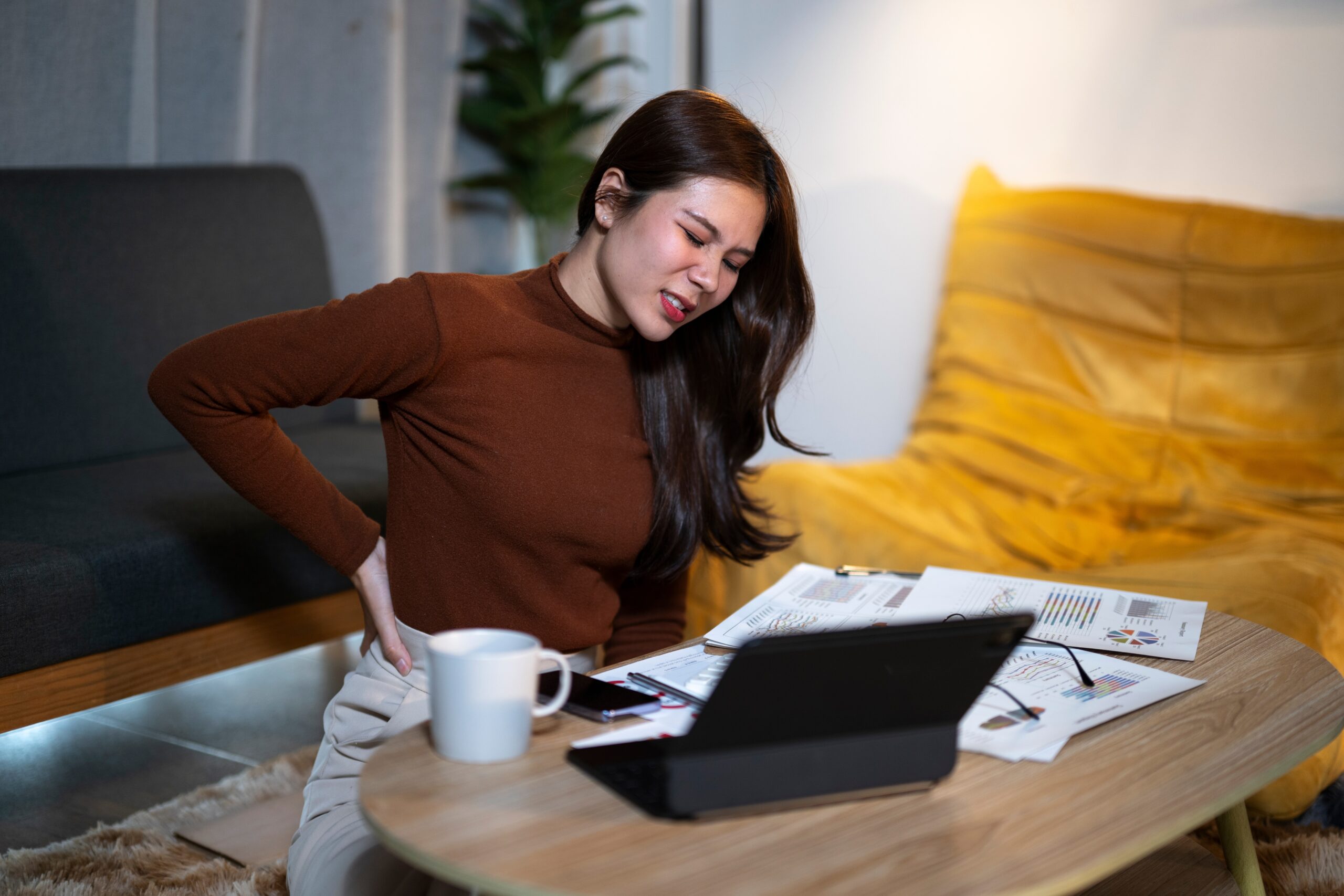
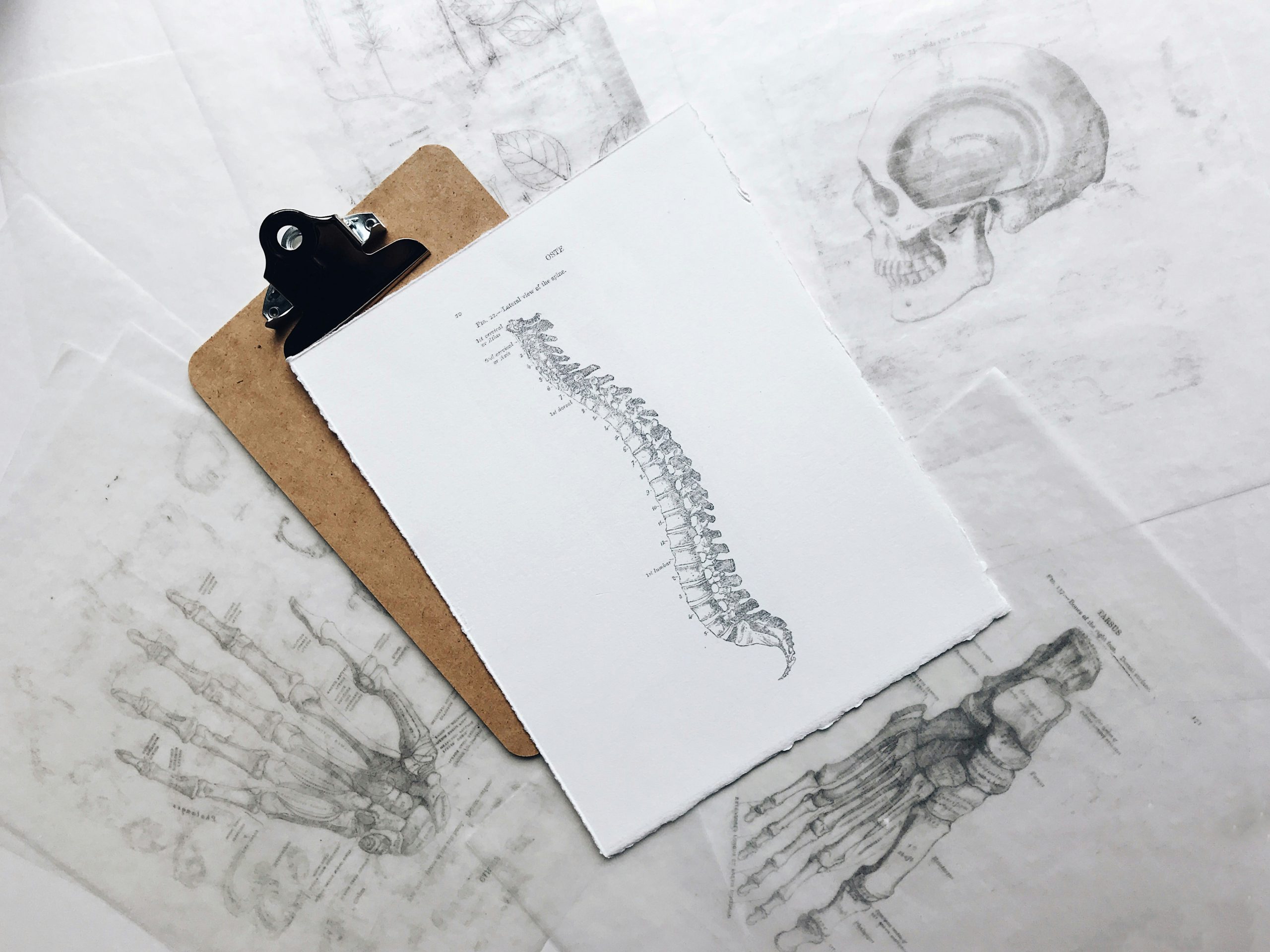
Low back pain is one of the most common health complaints in Australia , and one of the most commonly mismanaged. It is the leading cause of disability worldwide, affecting people of all ages, occupations, and fitness levels. Yet despite how prevalent it is, many people spend months or years cycling through temporary fixes, pain medication, rest, heat packs, without ever addressing the underlying cause.
At Cornerstone Medical Group, we take a different approach. Rather than masking your symptoms, we identify what is actually driving your pain and build a structured, evidence-based treatment plan to address it. Our goal is not just to get you through the week, it is to get you better, and keep you that way.
Low back pain refers to pain, stiffness, or discomfort affecting the lumbar region of the spine — the five vertebrae between the ribcage and the pelvis. It may be felt as a localised ache in the lower back itself, or it may radiate into the buttocks, hips, groin, or down one or both legs.
Low back pain is broadly classified as:
Acute Low Back Pain Pain that comes on suddenly — often following a specific incident such as lifting, twisting, or an awkward movement — and lasts less than six weeks. Acute episodes can be intensely painful and debilitating, even when the underlying cause is relatively minor.
Subacute Low Back Pain Pain lasting between six weeks and three months. This is often a critical window — the point at which pain that is not properly managed begins to shift toward a chronic pattern.
Chronic Low Back Pain Pain persisting beyond three months, with or without an identifiable ongoing structural cause. Chronic low back pain is complex and often involves a combination of physical, postural, and lifestyle factors. It frequently responds very well to the right combination of hands-on treatment and rehabilitation.
Low back pain rarely has a single cause. In most cases, it develops from a combination of structural, postural, and lifestyle factors that accumulate over time — until a minor incident or movement tips the balance into pain.
The most common causes we see at Cornerstone include:
Disc Herniation and Disc Bulge The intervertebral discs act as shock absorbers between the vertebrae. When the outer wall of a disc weakens or tears, the inner material can bulge or herniate — pressing on nearby nerves and causing pain, burning, or numbness that may radiate into the leg. Commonly referred to as a slipped disc.
Degenerative Disc Disease With age and cumulative loading, discs lose height and hydration, reducing the space between vertebrae and increasing stress on surrounding structures. This can cause persistent aching, stiffness, and episodes of acute flare-up.
Facet Joint Syndrome The small joints at the back of each vertebra — the facet joints — can become inflamed, arthritic, or restricted in movement. Facet-related pain is typically felt as a sharp, localised ache in the lower back that worsens with extension or rotation.
Lumbar Spinal Stenosis A narrowing of the spinal canal that can compress the spinal cord or nerve roots. Symptoms often include bilateral leg pain, heaviness, or cramping that worsens with walking and improves with sitting or leaning forward.
Sacroiliac Joint Dysfunction The sacroiliac (SI) joints connect the spine to the pelvis. Dysfunction at these joints is a frequently overlooked cause of low back and buttock pain, particularly in women, following pregnancy, or after a fall or impact.
Muscle and ligament Sprain/Strain Overstretching or micro-tearing of the muscles or ligaments supporting the lumbar spine — often from lifting, sudden movement, or sustained poor posture. Strain injuries can be acutely painful and slow to settle without appropriate management.
Spondylolisthesis A condition in which one vertebra slips forward over the one below it, creating instability and potential nerve compression. Ranges from mild and manageable to severe requiring specialist review.
Postural and Occupational Causes Prolonged sitting, repetitive bending and lifting, sustained forward posture, and poor workstation setup are among the most common contributors to low back pain in working-age adults. These cases respond particularly well to a combination of hands-on treatment and targeted rehabilitation.
Sciatica Strictly speaking a symptom rather than a diagnosis, sciatica refers to pain that travels along the path of the sciatic nerve — from the lower back through the buttock and down the leg, sometimes as far as the foot. It is most commonly caused by disc herniation or spinal stenosis compressing the nerve root.

Evidence-based assessment and treatment of musculoskeletal injuries, movement dysfunction, and extremity disorders including sports injuries. Our allied health professionals use a combination of manual therapy, targeted exercise/rehab prescription, and patient education to restore strength, mobility, and function – helping you return to work, sport, and daily life as efficiently as possible.
High-intensity laser therapy using the EMS DolorClast system delivers targeted therapeutic light energy deep into injured tissue. It accelerates cellular repair, reduces inflammation, and provides meaningful pain relief — particularly effective for chronic, treatment-resistant musculoskeletal conditions where other therapies have plateaued.
Radial shockwave therapy delivers high-energy acoustic pulses to areas of chronic soft tissue pain and dysfunction. It stimulates healing in tendons, ligaments, and fascia — making it highly effective for conditions such as plantar fasciitis, Achilles tendinopathy, rotator cuff injuries, and calcific tendonitis.
Motorised spinal decompression using the Advanced BTL Spinal Decompression table and protocols gently distracts the vertebrae to reduce and relieve pressure on compressed discs and nerve roots. Clinically indicated for facet irritation, disc herniation, disc bulge, sciatica, degenerative disc disease, and chronic spinal compression that has not responded to manual therapy alone.
Discover other conditions we treat and how our care can help you move better, feel better, and live pain-free.
Our friendly and hardworking staff will endeavour to response to your queries and booking requests within the same day.
We accept referrals from GP (CDM/TCA Plans), NDIS (Plan and Self Managed), Workcover, TAC, DVA, Support at Home (Aged Care) and all other private health funds.