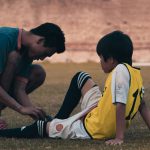
Sports injuries are among the most common musculoskeletal presentations we see at Cornerstone Medical Group. Whether you’ve sustained an acute injury during competition, or developed a gradual overuse condition from repetitive training, early and accurate assessment is key to a full and lasting recovery.
Left untreated, many sports injuries can become chronic, alter movement patterns, develop scar tissue and significantly impact performance and quality of life. Our approach combines thorough clinical assessment with advanced, evidence-based treatment modalities to get you back to the activities you love (Return to Play / Return to Sports) — safely and efficiently.
Muscle Strains Tears to muscle fibres caused by sudden force or overload — commonly affecting the hamstring, quadricep, and calf muscles.
Ligament Sprains Partial or complete tears of ligaments, most often involving the ankle, knee (ACL/MCL), and wrist.
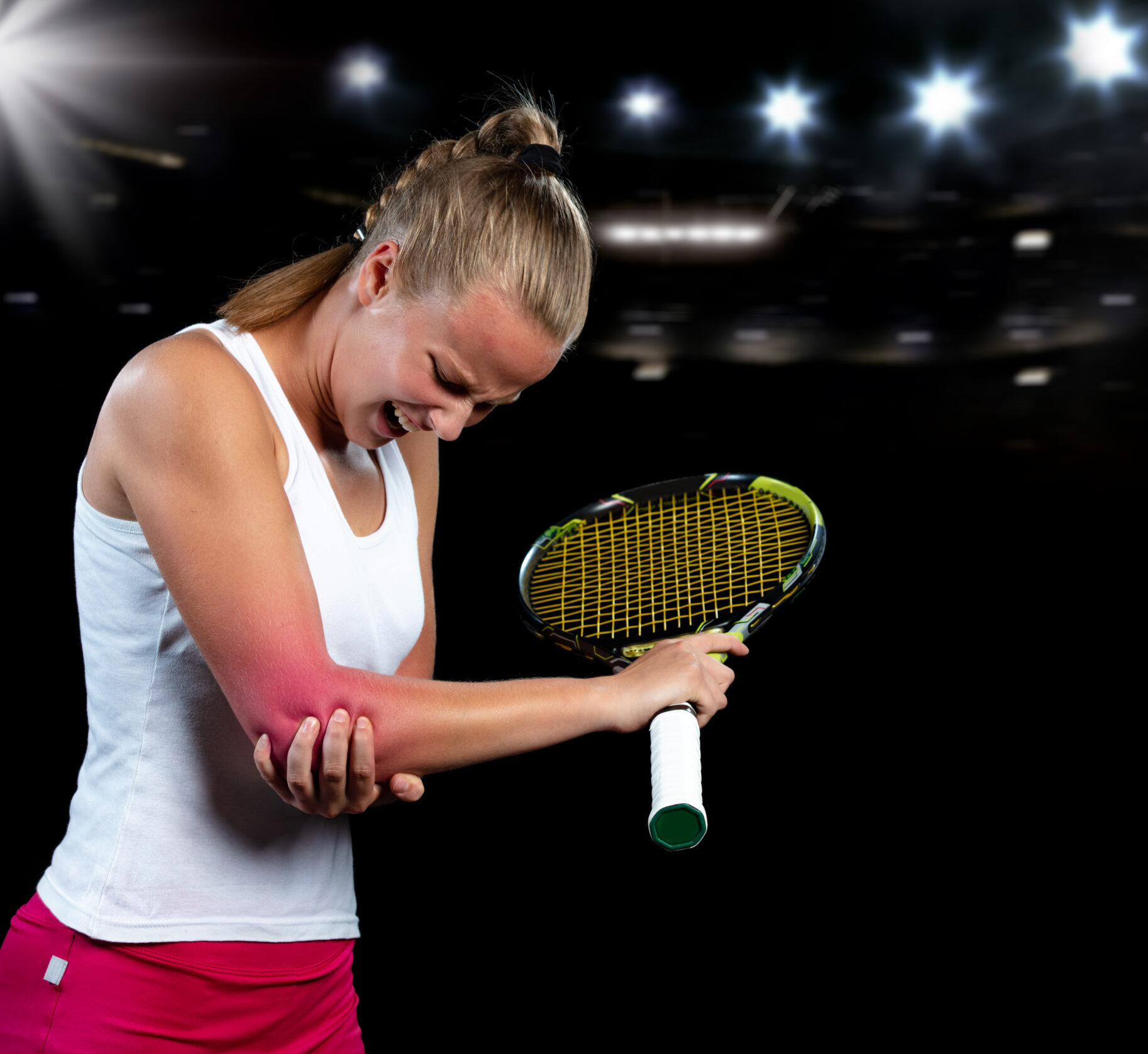
Tendinopathy Chronic tendon degeneration from repetitive load, including Achilles, patellar, rotator cuff, and lateral elbow tendons (tennis elbow).
Stress Fractures Overuse bone injuries commonly seen in runners and high-impact sports, particularly affecting the tibia and metatarsals.
Shoulder Injuries Rotator cuff tears, impingement syndrome, labral tears, and shoulder instability arising from overhead or contact sports.
Knee Injuries Patellofemoral pain, meniscal irritation, IT band syndrome, and ligament sprains affecting both sport performance and daily function.
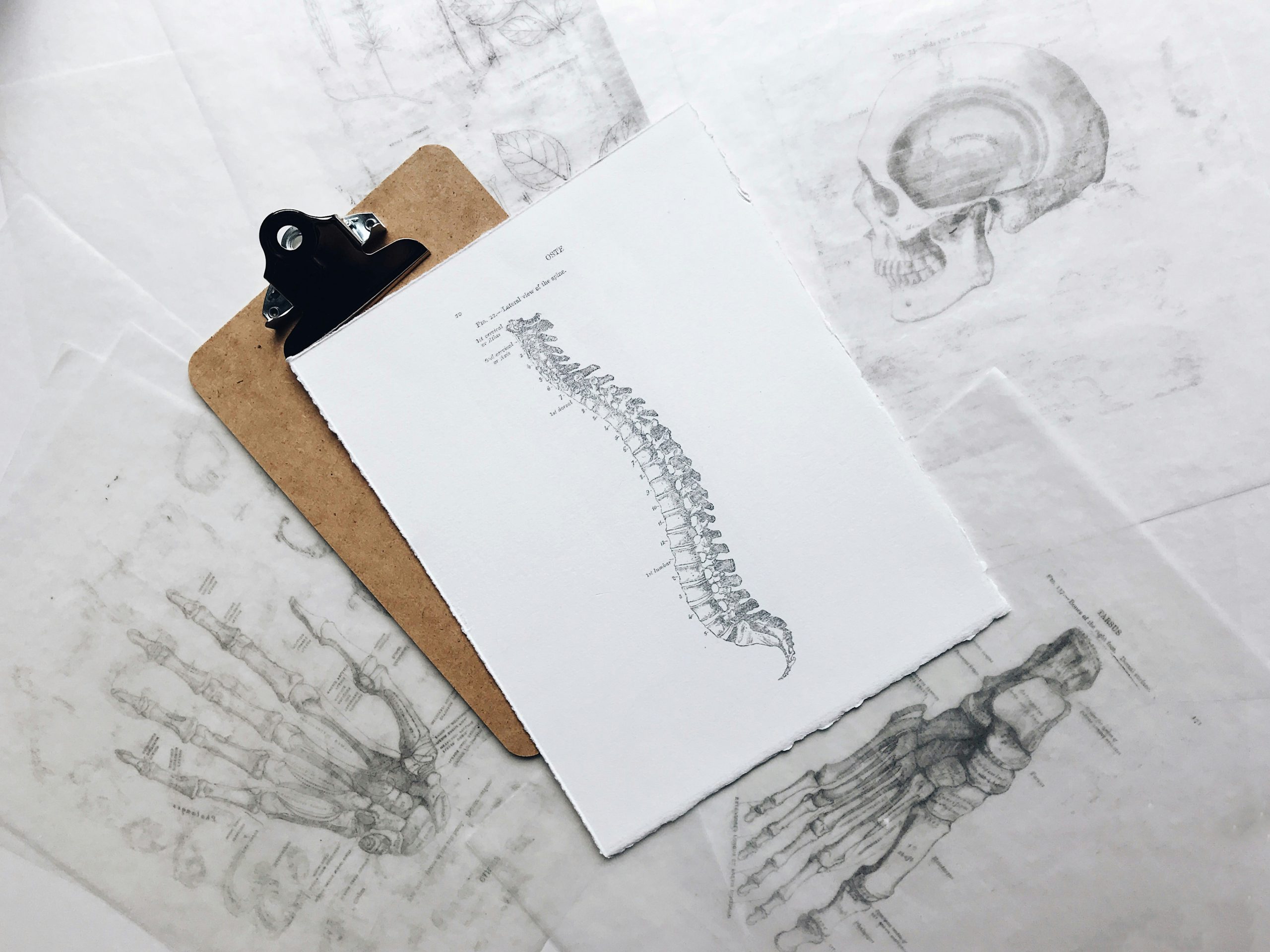
Sports-Related Back Pain Lumbar disc injuries, facet joint sprains, and sacroiliac dysfunction commonly seen in contact and high-load sports.
Plantar Fasciitis Inflammation of the plantar fascia causing heel and arch pain — prevalent in runners and jumping sports.

Symptoms vary depending on the structure involved and the severity of the injury. Common presentations include localised pain that may be sharp, aching, or throbbing, swelling, bruising, or visible deformity around the affected area, reduced range of motion at a joint, muscle weakness or a sensation of giving way, and pain that worsens with activity and eases with rest.
You may also notice stiffness — particularly after rest or overnight — clicking, locking, or catching sensations within a joint, altered gait or movement compensation, referred pain into surrounding limbs or areas, and gradual onset pain that progressively worsens over training cycles.
Our Approach to Recovery – We take a multi-modal approach to sports injury rehabilitation — combining hands-on care with advanced technologies to accelerate tissue healing, reduce pain, and restore full function.
Regardless of the injury, our goal is always the same: move you efficiently through each stage of recovery — from acute pain relief and tissue healing, through to restored function, return to sport, and long-term injury prevention.
Targeted spinal and peripheral joint manipulation and specific range of motion exercises and rehabilitation to restore biomechanical function, reduce joint restriction, and address referred pain patterns associated with sports injuries. Hands-on care forms the foundation of our treatment approach, with each session tailored to your specific injury, stage of recovery, and functional goals.
High-energy acoustic waves delivered to chronic tendinopathies, plantar fasciitis, and calcific lesions. Shockwave therapy stimulates collagen synthesis, breaks down calcification, and triggers the body’s natural healing cascade — making it particularly effective for stubborn, long-standing injuries that have not responded to conventional treatment.
905nm high power laser therapy delivers deep tissue photobiomodulation to accelerate cellular repair, reduce acute and chronic inflammation, and provide significant pain relief. This technology is especially effective for muscle, tendon, and joint injuries, and can be applied from the earliest stages of injury through to full rehabilitation.
For sports-related disc injuries, nerve impingement, and lumbar or cervical spine pain, our true BTL Spinal Decompression treatments apply precisely controlled decompressive forces to unload compressed spinal structures, reduce intradiscal pressure, and promote the retraction of herniated disc material. A highly effective non-surgical option for athletes managing significant spinal conditions.
Practical recommendations to support recovery, including training modifications and injury prevention strategies.
Discover other conditions we treat and how our care can help you move better, feel better, and live pain-free.
Our friendly and hardworking staff will endeavour to response to your queries and booking requests within the same day.
We accept referrals from GP (CDM/TCA Plans), NDIS (Plan and Self Managed), Workcover, TAC, DVA, Support at Home (Aged Care) and all other private health funds.