
Raising Awareness for Upcoming World Continence Week 15 June – 21 June 2026
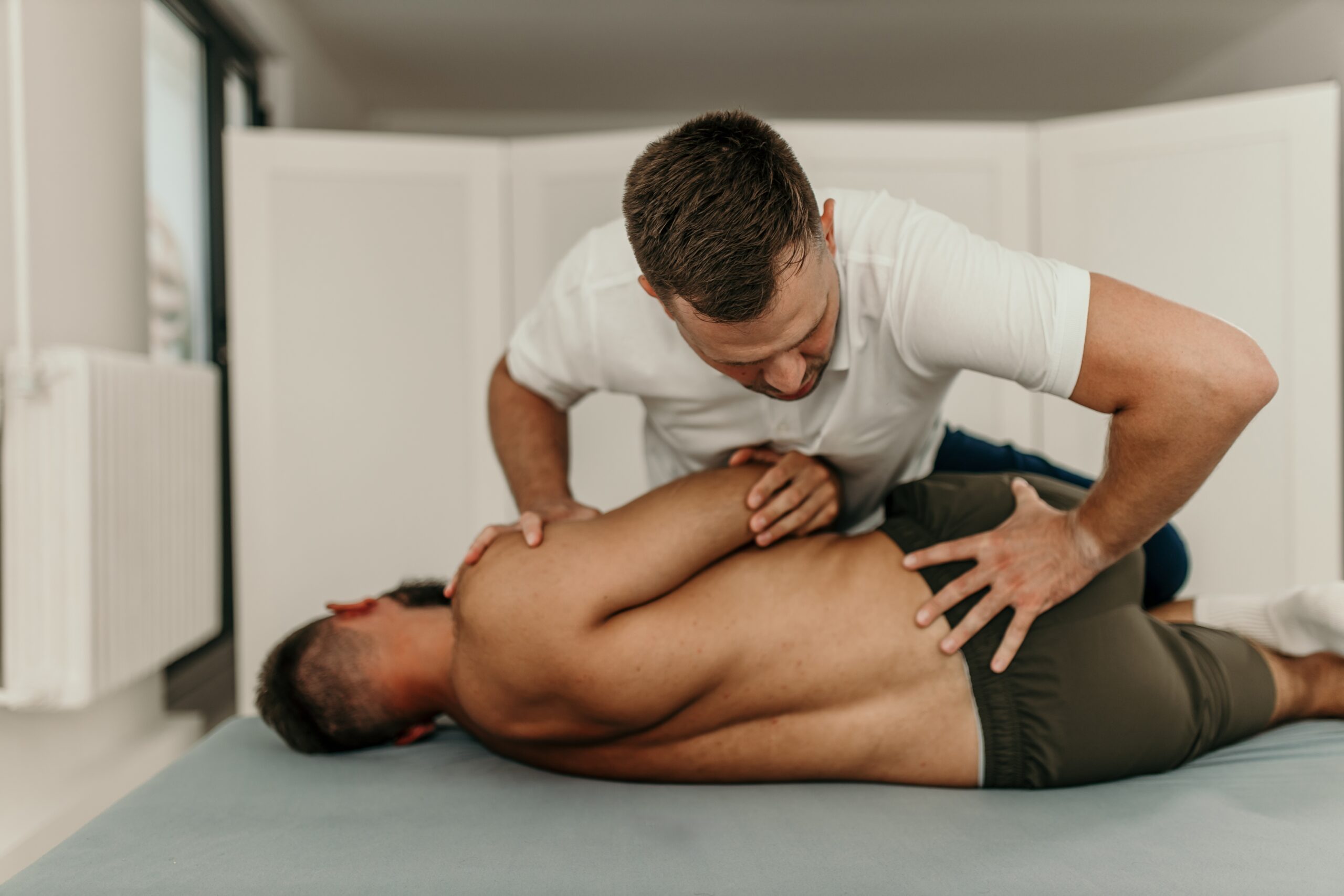
If you have been living with persistent lower back pain, recurring hip discomfort, or knee pain that keeps returning, it may be time to look beyond the area where you feel the symptoms. At Cornerstone Medical Group, our approach is built around thorough assessment, evidence-based care, and understanding how the body functions as a connected system—not just treating pain in isolation.
For some patients, one overlooked contributor may be pelvic floor dysfunction. Because the pelvic floor works closely with the deep core, diaphragm, pelvis, and lower limbs, reduced coordination in this area can affect movement patterns, load transfer, and stability through the lower body.
Why it matters
The pelvic floor is an important part of the body’s support system. When it is not functioning well, other areas may begin to compensate, which can contribute to ongoing strain through the lower back, hips, and knees over time.
This does not mean pelvic floor dysfunction is the cause of every musculoskeletal complaint, but in some cases it can be a meaningful part of the picture—especially when symptoms are persistent, recurrent, or have not responded fully to previous treatment. A more complete assessment can help identify whether this is relevant and guide a more targeted recovery plan.
Common signs
In some patients, pelvic floor dysfunction may contribute to:
-
Ongoing lower back pain or tightness.
-
Hip or groin discomfort that comes and goes.
-
Knee pain that repeatedly returns despite treatment.
-
Reduced balance, control, or confidence with movement.
-
A sense that the body is compensating or “not moving quite right.”
When these patterns are not identified early, they can become more ingrained and make recovery feel slower or more frustrating. That is one reason a whole-body, movement-based assessment can be so valuable.
A collaborative approach
At Cornerstone Medical Group, our focus is on advanced, non-surgical care that supports pain relief, restores movement, and improves long-term function. A collaborative relationship with a pelvic floor strengthening clinic fits naturally within this model by allowing patients to access more comprehensive care when pelvic health may be influencing spine, hip, or knee symptoms.
This kind of collaboration supports a more integrated view of recovery. Rather than focusing only on the painful area, care can also consider how breathing, deep core control, pelvic floor function, and lower limb mechanics work together to influence movement and load through the body.
Call to action – World Continence Week
If your back, hip, or knee pain has not improved as expected, it may be worth asking whether an overlooked contributing factor is involved. An initial assessment with Timothy Yeung, Senior Physiotherapist, can help determine whether further pelvic health assessment or collaborative care may be appropriate as part of your recovery pathway.
Quote this article and get Free Initial Assessments worth $85 during the month of June’26. Initial assessments are not inclusive of treatment, and any treatment provided is at an additional cost to the initial consultation.