How Shockwave and Laser Therapy Can Help Soccer Players Recover from Meniscus and Ligament Injuries
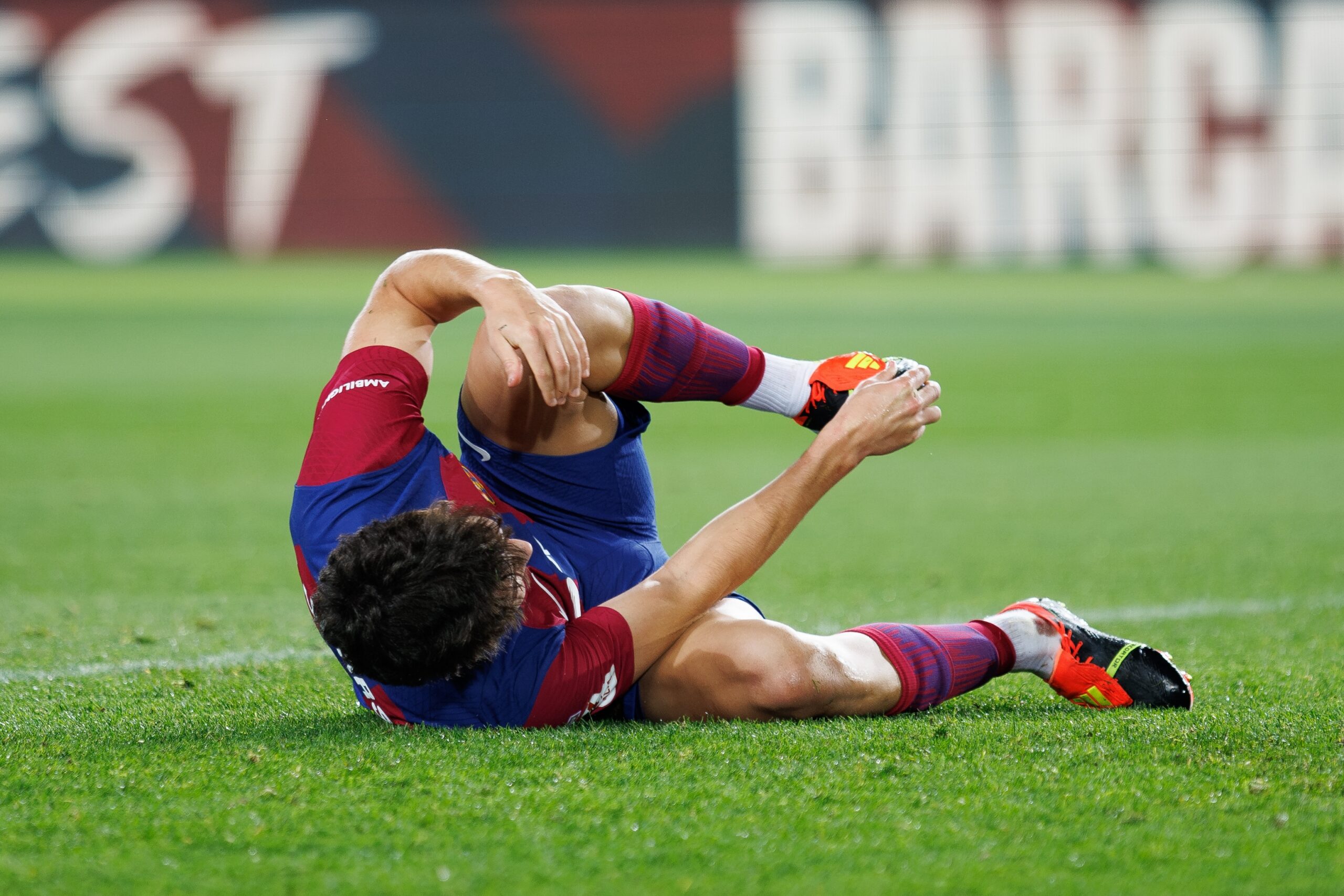
Soccer is one of the most common sports associated with knee injuries. The combination of sprinting, cutting, pivoting and sudden changes of direction places enormous load through the knee joint, making players particularly vulnerable to meniscus tears and ligament injuries such as ACL (anterior cruciate ligament) and MCL (medial collateral ligament) sprains.
While surgery is sometimes unavoidable, a growing body of clinical research supports the use of shockwave therapy and laser therapy as evidence-based, non-surgical options that can support healing, reduce pain and speed up safe return to play, either as standalone conservative care or alongside post-surgical rehabilitation.
At Cornerstone Medical Group, we treat soccer players and other field-sport athletes across our Chadstone and Box Hill clinics using these advanced technologies as part of a broader, multidisciplinary approach to sports injuries and knee pain.
Why Soccer Places Soccer Players at High Risk of Meniscus and Ligament Injuries
The knee relies on the menisci (two C-shaped cartilage pads) to absorb shock and stabilise the joint, while the ACL, PCL, MCL and LCL ligaments control rotational and side-to-side movement. Soccer-specific movements, including rapid deceleration, twisting while the foot is planted, tackling, and awkward landings after heading the ball, are classic mechanisms for:
- Meniscus tears, often occurring alongside ligament injury
- ACL sprains or ruptures, frequently non-contact, from a plant-and-twist motion
- MCL sprains, typically from a direct blow to the outside of the knee
These injuries can mean months off the pitch, so athletes and clinicians are increasingly looking for treatments that support the body’s own repair processes without the downtime associated with surgery.
How Shockwave Therapy Supports Meniscus and Ligament Healing
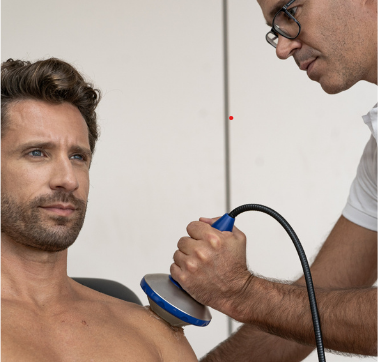
Extracorporeal shockwave therapy (ESWT) delivers acoustic pressure waves into injured tissue. This stimulates local blood flow, triggers the release of growth factors, and encourages the body to lay down new collagen, the building block of ligament and cartilage tissue. In our clinic we use the EMS shockwave system, and we’ve previously written about the difference between radial and focused shockwave therapy and when each is used.
What the research shows:
- A 2025 systematic review and meta-analysis published in BMC Musculoskeletal Disorders examined ESWT combined with standard rehabilitation following ACL reconstruction. The authors found that adding shockwave therapy to post-operative rehab was associated with improved outcomes compared with rehabilitation alone, supporting its use as an adjunct in ligament recovery protocols. Read the study
- A randomised clinical trial published in Knee Surgery, Sports Traumatology, Arthroscopy (2024) investigated ESWT for degenerative meniscal tears and found measurable improvements in meniscal tissue quality on MRI (T2 relaxation time) alongside pain relief at 12 months, indicating a possible tissue-level healing effect rather than pain masking alone. Read the study
- A systematic review in the Orthopaedic Journal of Sports Medicine looked specifically at ESWT in acute injuries of bone, tendon, ligament, muscle and skin, concluding that shockwave applied in the early post-injury phase shows promising evidence for enhancing tissue recovery. Read the study
For soccer players, this means shockwave therapy may help reduce pain and support tissue repair whether you’re managing a meniscal tear conservatively or recovering from ligament reconstruction surgery.
How Laser Therapy (Photobiomodulation) Assists Ligament and Meniscus Recovery
Advanced laser therapy, also known as photobiomodulation (PBM), uses specific wavelengths of light to stimulate cellular activity at the site of injury. Rather than generating heat, laser therapy works at a cellular level to reduce inflammation, support collagen synthesis and improve circulation, all relevant to ligament and meniscus repair. We use the EMS DolorClast HPL high-power laser system, and you can read more about the underlying science in our article on photobiomodulation laser therapy.
What the research shows:
- An in-vitro study published in a peer-reviewed journal examined the effect of low-level laser therapy directly on human ACL fibroblasts (the cells responsible for producing ligament tissue). Researchers found that laser therapy increased type I collagen synthesis and supported fibroblast viability, the specific cellular process underlying ligament repair. Read the study
- A clinical review on photobiomodulation for acute tissue injury and sport recovery, synthesising systematic reviews and primary research, found encouraging evidence for laser therapy’s role in accelerating soft-tissue healing and supporting athletes managing acute musculoskeletal injuries. Read the study
- Ongoing randomised controlled trials, including one registered on ClinicalTrials.gov, are specifically investigating low-level laser therapy as an adjunct to physiotherapy in patients with partial ACL tears, reflecting growing clinical interest in laser as a conservative management option for ligament injuries. View the trial registration
A Combined, Multi-Modal Approach
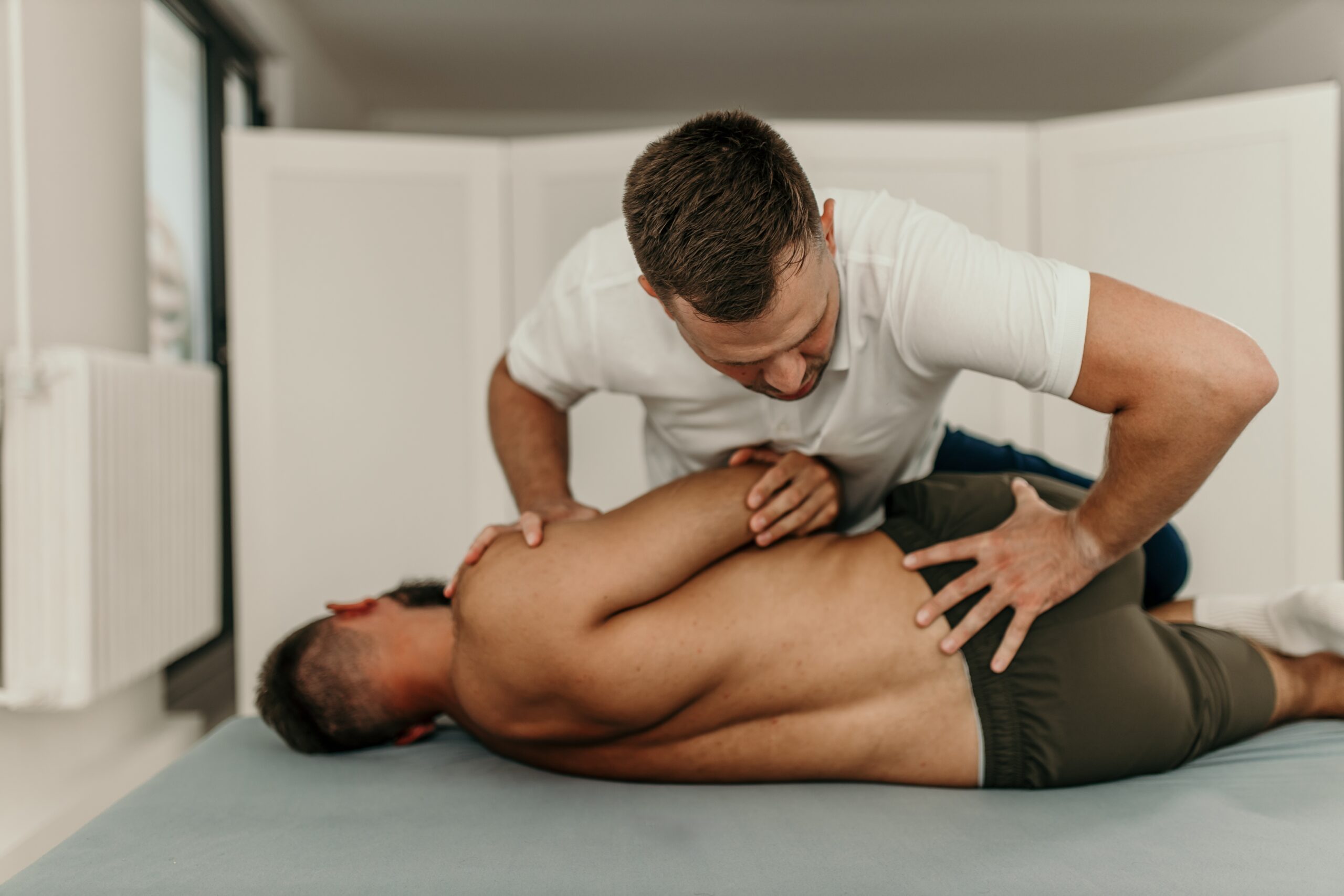
Neither shockwave nor laser therapy is used in isolation at Cornerstone Medical Group. For soccer players with meniscus or ligament injuries, we typically combine these technologies with:
- Chiropractic and physiotherapy: restoring joint mechanics, strength and movement control around the knee, hip and lower limb
- Osteoarthritis knee bracing: for players needing additional joint offloading and stability during rehab or return to sport
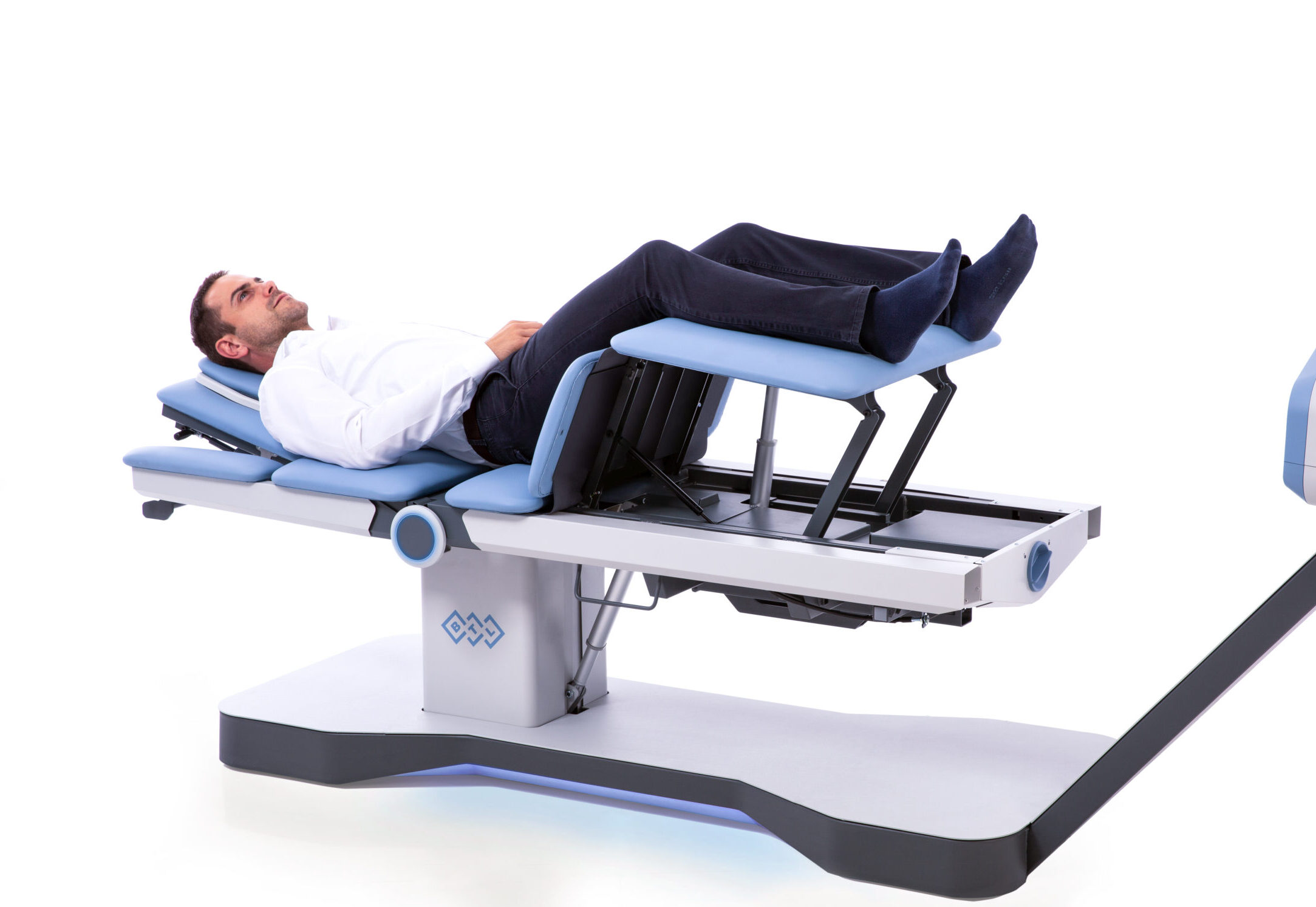
- Advanced spinal decompression therapy: where compensatory movement patterns are placing load on the lower back
This mirrors the approach outlined on our sports injuries and hip, thigh, knee, ankle and foot pain pages, where we assess the whole kinetic chain rather than just the injured structure.
When to Seek Assessment
If you’ve experienced a knee injury on the soccer pitch, such as swelling, locking or catching sensations (suggestive of a meniscus tear), or a feeling of instability and giving way (suggestive of ligament injury), early assessment matters. A thorough clinical examination, and imaging where indicated, will determine whether shockwave and laser therapy are appropriate for your specific injury, or whether onward referral for orthopaedic review is needed.
Our team at Cornerstone Medical Group provides evidence-based, non-surgical care for spine, joint and sports injuries across our Chadstone and Box Hill locations.
Book an appointment to discuss whether shockwave or laser therapy is right for your meniscus or ligament injury.
Frequently Asked Questions
Can shockwave therapy heal a torn meniscus? Shockwave therapy doesn’t replace the need for accurate diagnosis, but clinical research, including a 2024 randomised trial published in Knee Surgery, Sports Traumatology, Arthroscopy, has shown it can improve meniscal tissue quality on MRI and reduce pain in degenerative meniscal tears. Suitability depends on the type, size and location of the tear.
Is laser therapy effective after ACL surgery? Laboratory research shows laser therapy stimulates collagen production in ACL tissue, and it is increasingly used as an adjunct to physiotherapy in both surgical and non-surgical ACL rehabilitation, though it works alongside, not instead of, a structured rehab program.
How many shockwave or laser sessions are needed for a soccer-related knee injury? This varies by injury type and severity. Our clinicians will outline an individualised treatment plan following your initial assessment at our Chadstone or Box Hill clinic.
This article is for general educational purposes and does not replace individual clinical assessment. Research findings referenced above relate to specific study populations and protocols; outcomes vary between individuals. Speak with a Cornerstone Medical Group clinician about whether these treatments are appropriate for your injury.